We designed these wooden boxes to make growing microgreens and sprouts at home easy and…
How to Build an Equestrian Manure Worm Farm
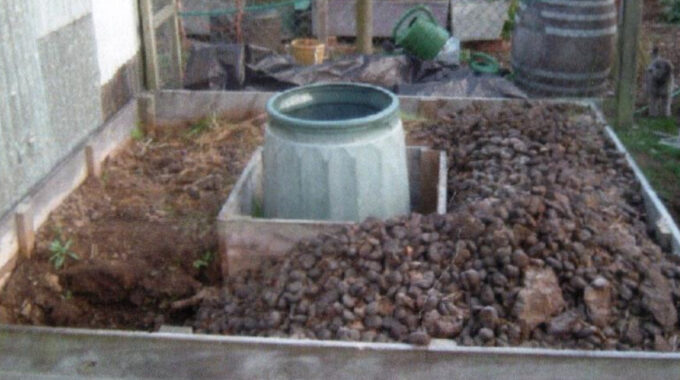
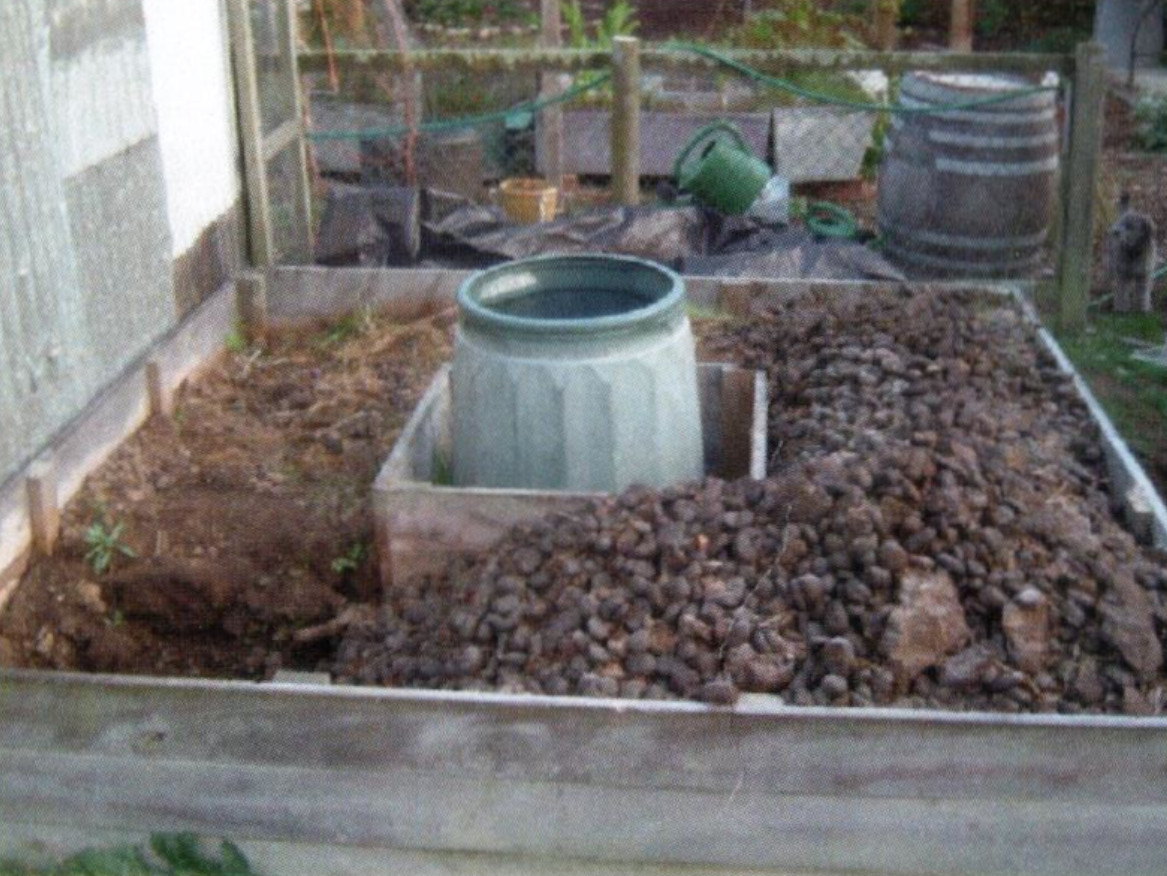
Our Equestrian Manure Worm Farm
When we had donkeys, we built a large worm farm specifically to process their manure. It worked surprisingly well and gave us a simple way to turn a large amount of manure into beautiful, nutrient-rich vermicompost.
A Simple 3 × 3 Metre Design
The worm farm was a 3 × 3 metre wooden structure. In the centre was a raised divider, approximately 500 × 500 mm, which was slightly higher than the rest of the structure.
The raised centre had another important purpose. It supported the tarpaulin above the worm farm, creating a simple roof-like shape. This allowed rainwater to run off the sides instead of collecting in puddles on top of the worm farm.
Adding the Manure and Worms
We added fresh donkey manure around the central divider, working in a clockwise direction. Once the manure was added, we introduced composting worms and let them get to work.
The worms gradually moved towards the freshly added manure, leaving beautiful vermicompost behind them.
As we continued adding fresh manure, the worms naturally followed the new food source. When the fresh manure began to approach the older vermicompost, we harvested the finished compost to make room for more manure.
This created a simple continuous system. We could keep adding fresh manure and harvesting finished vermicompost without having to empty the entire worm farm.
Keep the Manure Moist
One thing we quickly learned was that moisture is very important.
The manure needs to remain slightly damp for the worms to process it effectively. This is especially important during summer and other hot, dry periods. If the manure becomes too dry, the worms will stop processing it.
We therefore kept an eye on the moisture level and added water when necessary. The goal is to keep the manure damp but not waterlogged.
Protecting the Worm Farm from Rain
We covered the worm farm with a large tarpaulin. The raised centre acted like the ridge of a roof, allowing rainwater to run off rather than forming puddles.
This helped prevent the worm farm from becoming excessively wet and also reduced the risk of valuable nutrients being washed out of the manure and compost.
The simple roof design was particularly useful because it protected the worms while still allowing the worm farm to remain outdoors.
What About Worm Juice?
Unfortunately, our original worm farm did not have a drainage system for collecting the liquid underneath it.
With a little more planning, however, it would be possible to incorporate drainage underneath the worm farm and collect the liquid. Depending on how the system is designed and what materials are being processed, this liquid may be referred to as worm leachate or “worm juice”.
If you are building a new system, incorporating suitable drainage from the beginning could make it easier to manage excess moisture and collect this liquid separately.
Turning Manure into a Resource
Overall, the worm farm was a very effective way of dealing with donkey manure. Instead of treating the manure simply as waste, we were able to turn it into a valuable resource.
The composting worms did most of the work, gradually transforming the manure into rich vermicompost that could then be returned to the garden and soil.
It was a simple system, but it worked remarkably well—and it showed us how something as abundant as equestrian manure can become a valuable part of a productive garden system.
Related Posts