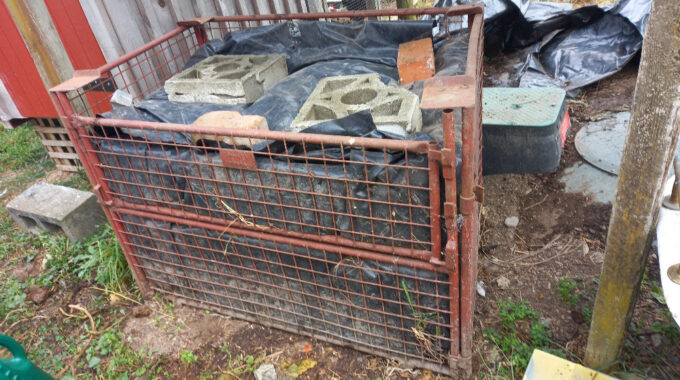
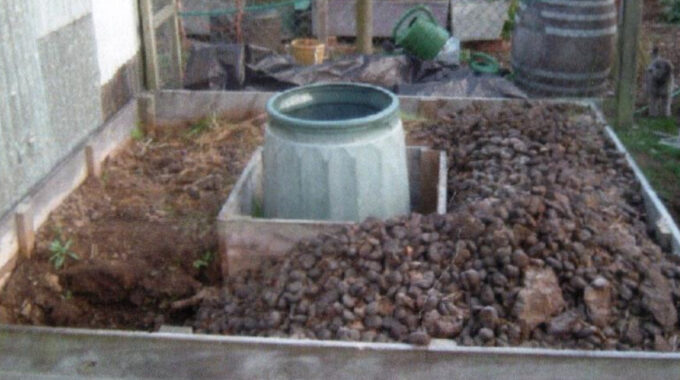
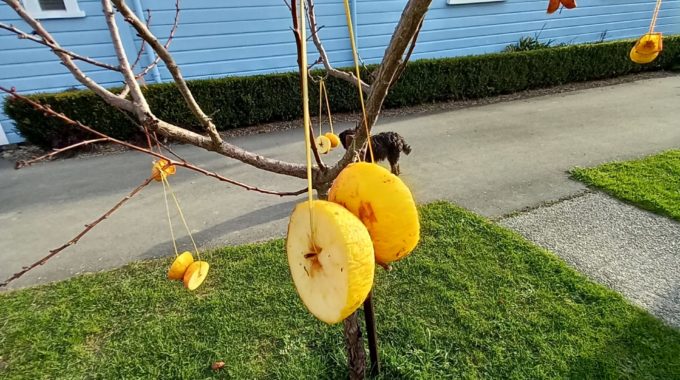
This system works on a similar principle to Bokashi, but on a much larger scale…
How to Grow Microgreens and Sprouts at Home Easily
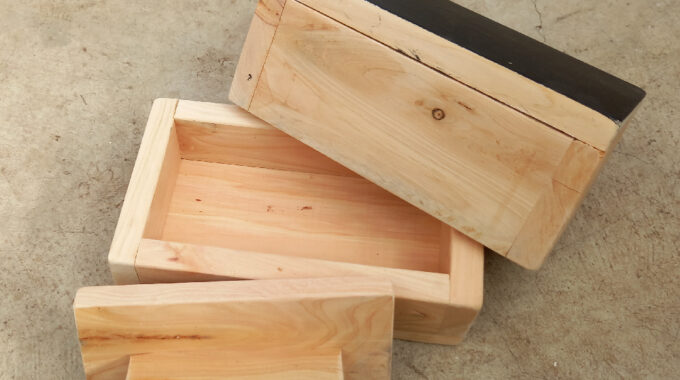
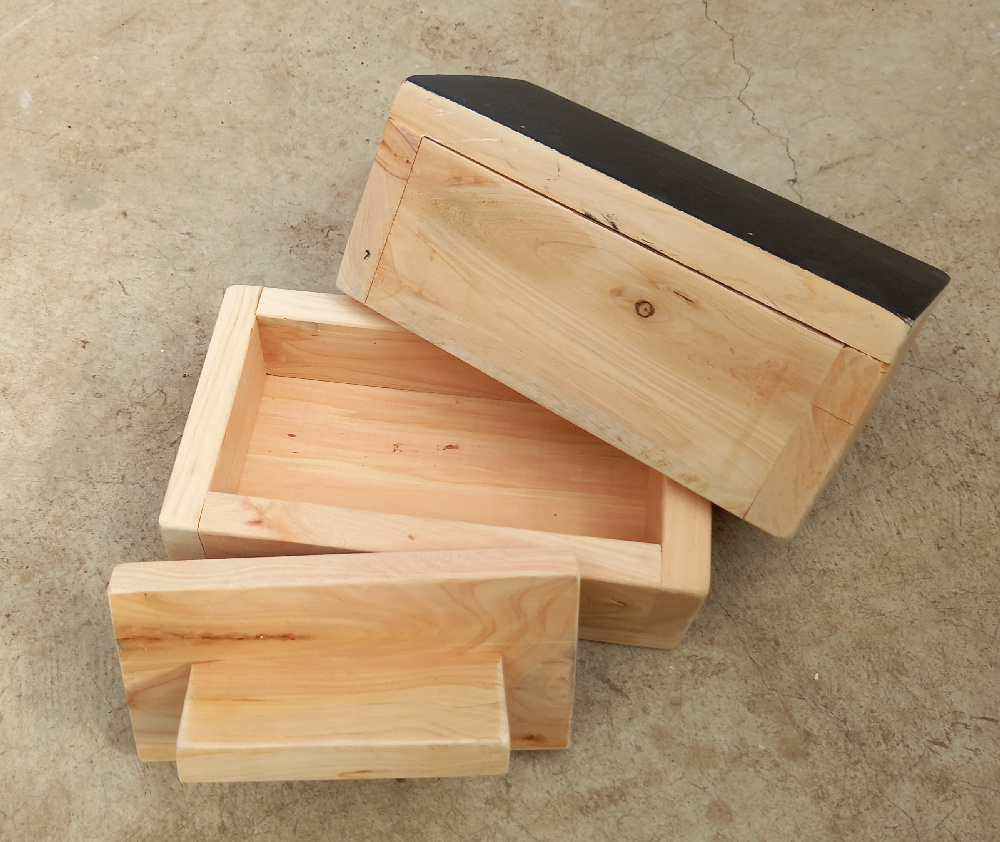
We designed these wooden boxes to make growing microgreens and sprouts at home easy and natural.
Step 1: Pre-Soak the Seeds
Most seeds need to be pre-soaked before sowing. Soak them according to the instructions for the particular variety you are growing.
Step 2: Prepare the Wooden Boxes
For microgreens, you need approximately 3–4 cm of soil in the lower box. We make our own potting mix specifically for growing microgreens.
First, soak the wooden containers. Then fill the lower box with soil and distribute it evenly. Use the pounder to gently level and flatten the surface.
The soil should be flat, even, and firm, but not compacted. Lightly moisten the surface with water.
Step 3: Spread the Seeds
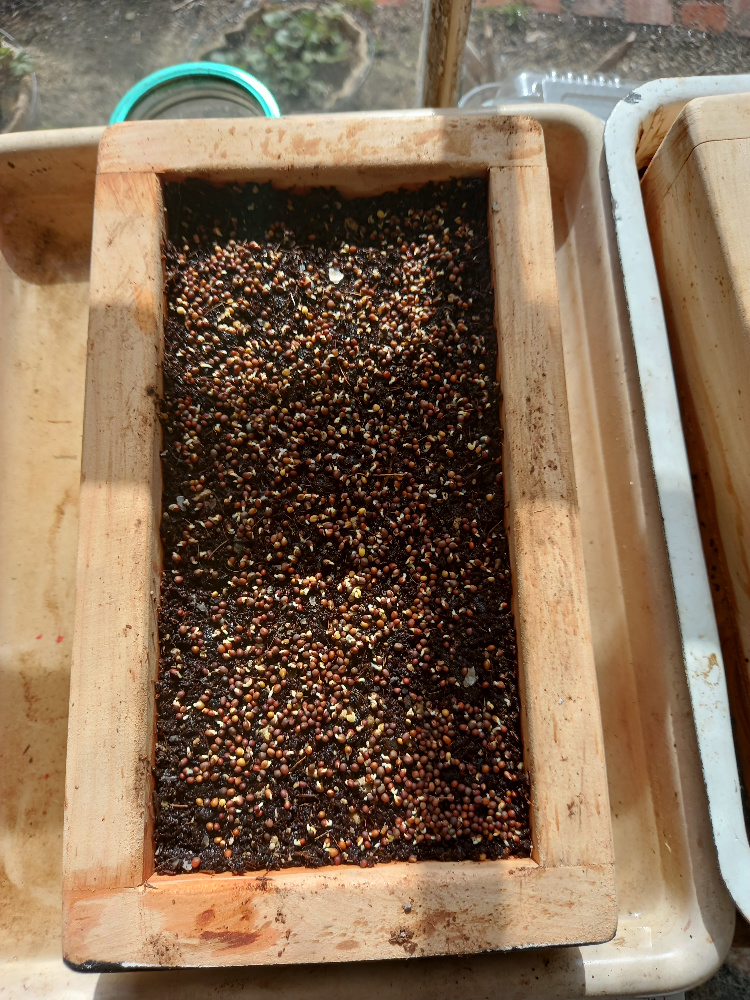
Spread the soaked seeds evenly over the moistened soil. Aim for good coverage, but avoid piling the seeds on top of one another.
Step 4: Press and Moisten the Seeds
Use the pounder to gently press the seeds onto the soil. The goal is not to push the seeds into the soil, but simply to ensure good contact between the seeds and the soil.
Then use a spray bottle to gently moisten the seeds and the surface of the soil.
Step 5: Keep the Soil Moist
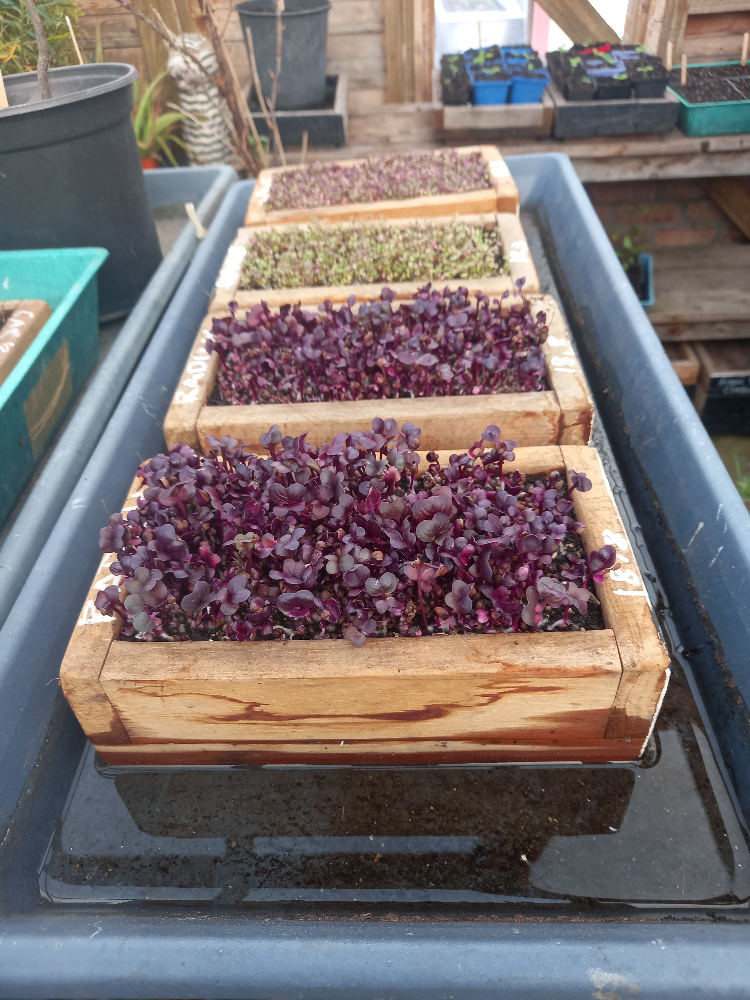
Place the wooden boxes in a tray containing a small amount of water. The wooden box can absorb water from below, allowing the soil to stay moist without needing to water the seeds from above.
Check the soil regularly and add more water to the tray when needed. If the surface of the soil becomes too dry, lightly mist it with the spray bottle.
Step 6: Cover and Let the Seeds Sprout
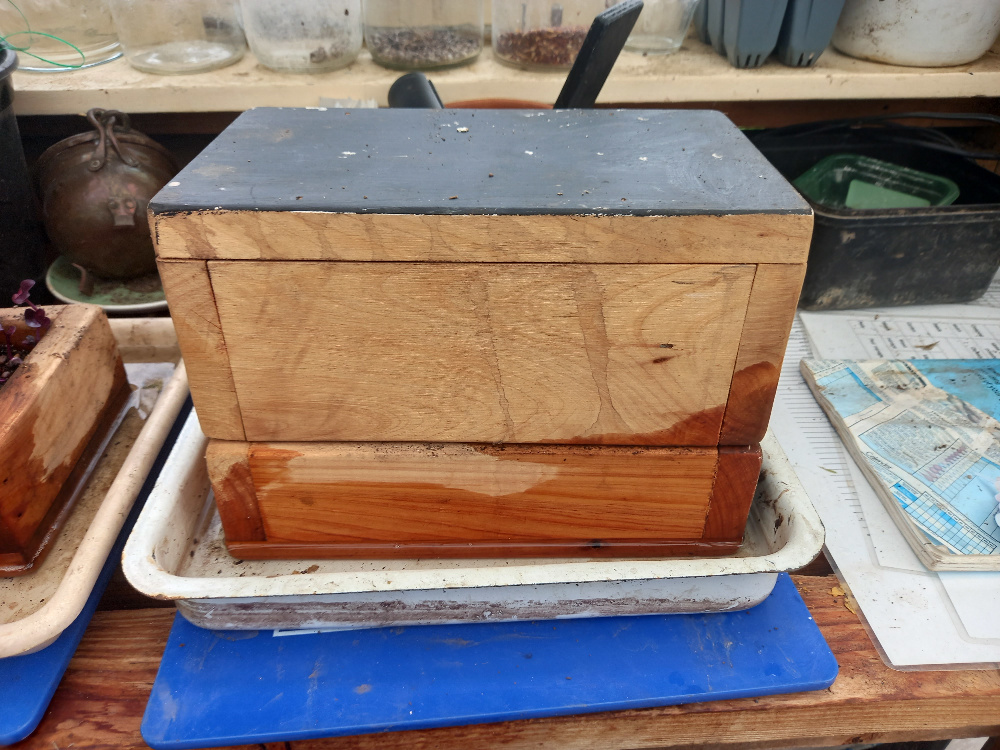
Cover the growing box with the smaller wooden box, using it as a lid. Leave it covered for approximately 4–5 days, or until the seeds have sprouted.
Once the sprouts appear, remove the lid and allow the microgreens to continue growing.
I like to keep a box of growing microgreens in my kitchen, sitting in a small dish of water. This makes it easy to harvest fresh microgreens whenever I need them. Simply cut off what you need and leave the rest to continue growing.
Easy Microgreens for Beginners
Some of the easiest microgreens to grow are radish and broccoli. When buying seeds, look for varieties specifically sold as microgreen radish or microgreen broccoli. These seeds are often inexpensive and are well suited to growing microgreens at home.
Step 1: Pre-soak the Seeds
Most seeds need to be pre-soaked before sowing.
Step 2: Prepare the Wooden Boxes
For microgreens, you need approximately 3–4 cm of soil in the lower box. We make our own potting mix for growing the microgreens.
Soak the wooden containers first, then fill the lower box with soil. Distribute the soil evenly and use the pounder to gently level and flatten the surface.
The soil should be flat, even, and firm, but not compacted. Lightly moisten the surface of the soil.
Step 3: Spread the Seeds
Spread the soaked seeds evenly over the moistened soil, aiming for good coverage without piling the seeds on top of one another.
Step 4: Press and Moisten the Seeds
Use the pounder to gently press the seeds onto the soil. The goal is not to push the seeds into the soil, but simply to ensure good contact between the seeds and the soil.
Use the spray bottle to gently moisten the seeds and the surface of the soil.
Step 5: Keep the Soil Moist
Place the wooden boxes in a tray with some water. The soil can absorb water from below through the wooden box, so there is usually no need to water the seeds from above.
Check the soil regularly and add water to the tray if needed. Only water from above with the spray bottle if the soil surface becomes too dry.
Step 6: Cover and Let the Seeds Sprout
Keep the boxes covered with the smaller wooden box, using it as a lid, for approximately 4–5 days, or until the seeds have sprouted.
Once the sprouts appear, remove the lid and let the microgreens continue to grow.
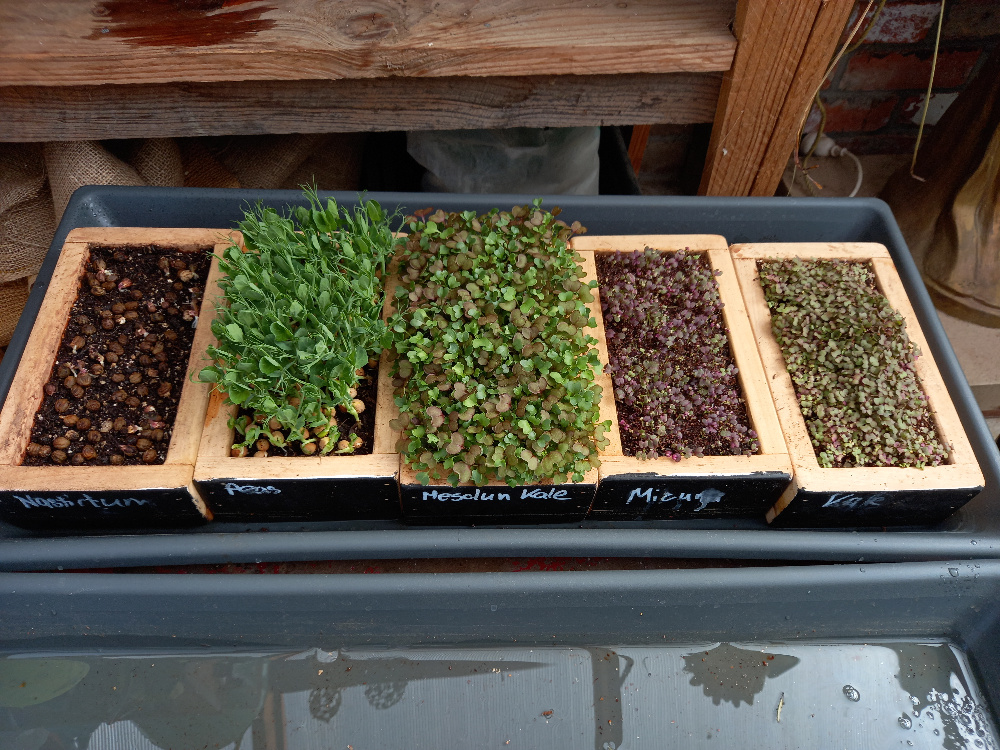
I keep a box of growing microgreens in my kitchen, sitting in a small dish of water. This makes it easy to harvest fresh sprouts as needed—simply cut off what you need and leave the rest to keep growing.
The easiest microgreens to grow are radish and broccoli. Look for seeds specifically sold as microgreen radish or microgreen broccoli—these are often available at a lower price and are ideal for growing microgreens.
Related Posts